Common garden maintenance mistakes Hayes owners make
Hayes gardens can look brilliant with a bit of steady care, but they can also slip downhill faster than people expect. One missed mowing cycle, a hedge trimmed at the wrong time, or a few weeks of "I'll deal with it later" can leave beds overrun, lawns patchy, and paths stubbornly slick with moss. This guide on the common garden maintenance mistakes Hayes owners make is here to help you spot the problems early, avoid the usual traps, and keep your outdoor space looking tidy without wasting time, effort, or money.
To be fair, most garden problems do not start with one huge mistake. They usually begin with small habits: cutting too much off at once, watering at the wrong time, ignoring drainage, or treating every plant the same. If you have ever stood in the garden on a damp Saturday morning wondering why it suddenly looks tired, you are definitely not alone. Below, we'll break down the issues clearly and show you what actually works in real life.
Table of Contents
- Why these mistakes matter
- How garden maintenance goes wrong
- Key benefits of doing it properly
- Who needs this advice
- Step-by-step guidance
- Expert tips for better results
- Common mistakes to avoid
- Tools, resources and recommendations
- Law, compliance, standards, and best practice
- Options and methods compared
- Real-world example
- Practical checklist
- Conclusion
- Frequently asked questions
Why Common garden maintenance mistakes Hayes owners make Matters
Garden maintenance is one of those jobs that seems simple until you are knee-deep in it. Then the details matter. In Hayes, where many gardens are compact, shared with neighbours, or exposed to the usual mix of London weather, the consequences of poor maintenance show up quickly. A lawn can thin out, a hedge can block light, and a neglected border can turn into a weed patch before you have really noticed what happened.
Why does that matter? Because a garden is not just decoration. It affects drainage, privacy, safety, kerb appeal, and how usable your outdoor space feels day to day. A slippery deck, overgrown tree branches, or badly cut hedges can become more than an eyesore. They can create practical problems too. If you are trying to keep on top of things yourself, it helps to understand where people typically go wrong so you can avoid expensive backtracking later.
There is also a simple truth here: a tidy garden is usually easier to maintain than a neglected one. Once problems stack up, the job takes longer and starts to feel heavier. That is often the moment homeowners look into professional garden maintenance or a targeted service such as lawn mowing, hedge trimming, or even garden clearance if the space has been left too long. Nothing dramatic. Just sensible.
How Common garden maintenance mistakes Hayes owners make Works
Most garden maintenance mistakes follow the same pattern: the task is delayed, rushed, or done with the wrong technique. At first, nothing looks serious. Then a few weeks pass and the small issue becomes a recurring one. A hedge that was trimmed too hard sends up weak, uneven growth. A lawn mown too short starts drying out faster. A flower bed without mulch turns into a weed magnet. It is often the combination of mistakes that causes the real trouble.
Garden care should be seasonal and responsive, not random. In practical terms, that means looking at what the garden needs right now rather than applying the same routine every weekend. The cutting height, watering schedule, pruning timing, and clean-up work all depend on the condition of the garden, the weather, and the type of planting. A sunny front garden in Hayes will not behave like a shaded rear garden after a wet week. Obvious, maybe, but easy to overlook.
Another thing people miss is that maintenance and landscaping are related, but not identical. Maintenance keeps things healthy and presentable. Landscaping and redesign work change structure, drainage, or layout. If a garden keeps failing because the basics are wrong, maintenance alone may never fix it. In that case, a bigger rethink through landscaping or landscape gardening may make more sense than yet another weekend of patching things up.
Key Benefits and Practical Advantages
Doing garden maintenance properly pays off in a few very real ways. You do not need to be a perfectionist. You just need to avoid the usual errors and stay consistent.
- Healthier growth: Plants, hedges, and lawns recover better when cut, fed, and watered correctly.
- Less repeat work: Good maintenance prevents the same problem coming back every fortnight.
- Safer outdoor spaces: Clear paths, tidy edges, and controlled growth reduce slips, trips, and blocked access.
- Better first impressions: A neat garden instantly lifts the look of a property.
- Lower long-term costs: Preventive care is usually cheaper than rescue work. Usually. Not always, but usually.
There is also a quieter benefit. A well-kept garden is simply nicer to use. You notice it in small moments: sitting outside with a cup of tea, hearing the mower finish cleanly, or opening the back door and not feeling vaguely guilty about the state of the beds. That matters more than people admit.
If you are planning changes beyond simple maintenance, it can help to look at the wider service picture in the services overview. It gives a better sense of how routine care, clearance, and more structural work fit together.
Who This Is For and When It Makes Sense
This advice is useful whether you own a small terrace garden, a family plot with a lawn and borders, or a more complex outdoor area with trees, decking, and planting beds. It is especially relevant if you are:
- trying to keep a garden neat between larger seasonal jobs
- moving into a property and inheriting an overgrown space
- managing a garden with limited time or physical capacity
- preparing a home for sale or rental viewings
- dealing with repeat issues like weeds, moss, or hedge overgrowth
It also makes sense if you have already tried "a quick tidy-up" and realised the garden was quietly working against you. A lot of people assume they need more tools. Sometimes they do. But often the real issue is process, not equipment. Cut too much, prune too late, mow too short, water too late in the day, and the garden keeps punishing you for it. That's the funny part, if you can call it that.
If the task has gone beyond light maintenance and into heavy lifting, overgrowth removal, or stubborn waste, it may be the right time to think about garden clearance instead of trying to tackle everything in one exhausted Saturday.
Step-by-Step Guidance
Here is a practical way to approach garden maintenance without falling into the usual traps.
- Start with a quick survey. Walk the garden slowly. Look for uneven growth, dead material, blocked drains, mossy patches, weeds, broken supports, and anything that looks like a trip hazard.
- Deal with waste first. Remove fallen branches, clippings, old pots, and accumulated debris before you begin pruning or mowing. A clean start makes every other job easier.
- Check the lawn before cutting. If grass is wet, shaggy, or full of hidden debris, adjust your approach. A rushed mow can scalp the lawn and leave clumps behind.
- Trim hedges with a plan. Cut little and often rather than hacking them back. Keep the shape even and avoid taking away too much green growth at once.
- Prune carefully. Remove dead, diseased, or crossing stems before anything else. For bigger woody growth, be cautious and do not guess.
- Weed around the edges. The border edges, paving joints, and fence lines often tell the real story of a neglected garden.
- Water properly. Water deeply enough to reach the roots, but not so often that the soil stays soggy.
- Finish with a tidy-up. Sweep, rake, collect clippings, and check the garden from the house. This last look often reveals what you missed.
If a job involves tall growth, awkward access, or larger woody stems, do not turn it into a guessing game. A specialist service such as tree lopping and removal is a safer route when branches are becoming unmanageable or affecting buildings, fences, or neighbouring spaces.
Expert Tips for Better Results
The biggest improvement usually comes from small discipline, not dramatic effort. A few grounded tips make a real difference.
- Cut less, more often. This is especially true for lawns and hedges. Frequent light work produces cleaner results than occasional heavy cuts.
- Match the job to the weather. Very wet soil gets compacted. Very hot afternoons can stress freshly cut plants.
- Keep blades sharp. Dull mower blades tear grass rather than cutting it cleanly. It looks rough, and the lawn feels it.
- Leave some breathing room. Plants need air flow. Crowded growth tends to hold moisture and invite disease.
- Think in layers. First remove waste, then cut, then prune, then weed, then finish. Jumping between tasks wastes energy.
- Watch the edges. A garden can look "almost fine" while the edges are quietly becoming messy. It is usually the edges, honestly.
One small but useful habit is to inspect the garden from inside the house. Standing at the kitchen window or looking out after dusk can reveal shape problems that are not obvious up close. A hedge that seems okay at arm's length may actually be leaning, patchy, or blocking light more than you noticed during the work itself.
If your garden has timber structures, remember that surrounding care matters too. Regular upkeep around seating, raised areas, and boundaries helps protect anything you have invested in, including features covered by decking services.
Common Mistakes to Avoid
This is the heart of it. These are the mistakes that cause the most trouble for Hayes homeowners.
1. Mowing the lawn too short
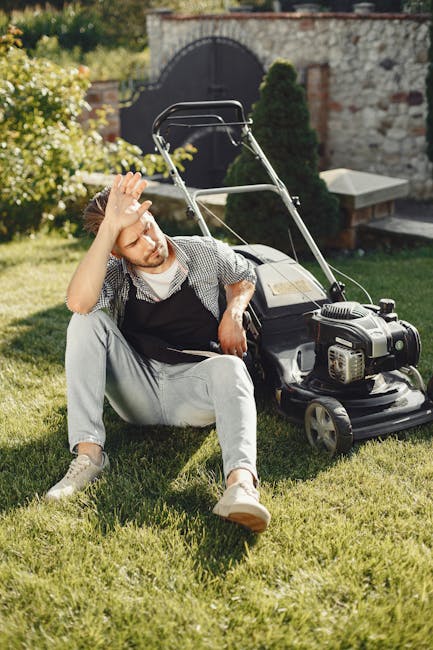
It is tempting to take the grass down low and "get it done properly." But scalping the lawn weakens it, exposes the soil, and encourages moss and weeds. A better approach is to mow at a sensible height and avoid removing too much in one pass. If the lawn has grown very long, reduce it gradually.
2. Trimming hedges at the wrong time or too hard
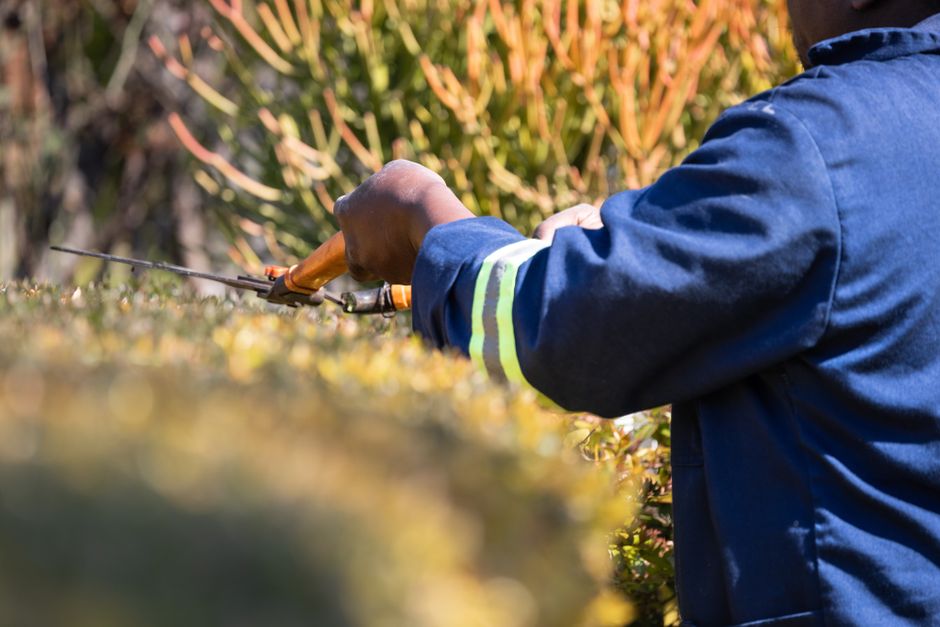
Hedges do not enjoy being butchered back to bare stems. Heavy cuts can leave holes, weak regrowth, and awkward gaps that take ages to recover. If your hedge has become dense or untidy, a careful routine with the right timing is far better. That is where a proper hedge trimming service can save a lot of guesswork.
3. Ignoring drainage and damp patches
Hayes gardens can suffer from compacted soil, shaded areas, and persistent damp. If water sits on the surface after rain, mowing and planting decisions need to take that into account. Otherwise, you end up fighting the same muddy patch every season.
4. Pulling weeds without fixing the cause
Weeds are a symptom as much as a problem. Bare soil, thin planting, and neglected borders invite them back. Pulling weeds is necessary, sure, but if you do not improve coverage or mulch the area, you will be doing it again next week.
5. Overwatering or watering at the wrong time
Too much water can be just as harmful as too little. Many homeowners water a little bit too often instead of giving a deeper soak less regularly. Watering late in the day can also leave foliage damp for too long. That is not ideal on a cool, still evening, especially when the weather turns sticky and mild.
6. Using the same routine for every part of the garden
Sunny beds, shaded corners, paving, lawns, and trees all need different care. Treating everything the same is a quick route to mediocre results. A south-facing border in direct sun will behave very differently from a shaded corner behind a fence.
7. Letting clippings and waste build up
Grass cuttings, hedge trimmings, and fallen leaves left in corners can trap moisture, feed pests, and make the whole garden feel untidy. Regular removal keeps the space healthier and reduces the chance of it turning into a bigger job later.
8. Forgetting about safety
Long-handled tools, ladders, and power equipment all deserve respect. Wet paving, hidden roots, and overreaching while pruning are where accidents creep in. If a job feels awkward, it probably is. There is no prize for making it heroic.
If maintenance has been delayed for months, the first step may simply be to clear the space properly, then build a more manageable routine from there.
Tools, Resources and Recommendations
You do not need a shed full of expensive kit. You need the right basics and a sensible approach.
| Task | Useful tool or resource | Why it helps |
|---|---|---|
| Lawn care | Sharp mower, rake, edging tool | Gives a cleaner cut and a tidier finish |
| Hedge work | Hedge trimmer, loppers, gloves | Keeps cuts controlled and reduces strain |
| Weed control | Hand fork, hoe, mulch | Helps remove weeds and suppress regrowth |
| Clear-up | Rake, bags, garden waste containers | Makes it easier to remove debris properly |
| Planning | Simple seasonal checklist | Stops jobs being forgotten and helps pace the work |
For homeowners who want help with recurring lawn issues, a regular lawn mowing schedule can be more effective than occasional emergency cutting. And if the garden has become cluttered with waste, start by getting the area back under control with garden clearance rather than trying to maintain a mess.
If you are choosing between doing it yourself and hiring help, be honest about time and energy. A two-hour job that you keep putting off is not really a two-hour job. It is a weekly mental note, which is somehow worse.
Law, Compliance, Standards, and Best Practice
For most domestic garden work, the main thing is good practice, safe handling, and common sense. That said, some situations do carry responsibilities that are worth taking seriously.
If trees or large branches are involved, property boundaries, neighbour access, and safety all need careful attention. Cutting back something substantial without checking the knock-on effect can create disputes or damage. When in doubt, assess the risk before you cut. If a tree is close to structures, power lines, or shared boundaries, professional assessment is usually the wiser choice.
There is also a practical safety standard to keep in mind: use equipment properly, wear suitable protection, and do not work at height unless the setup is stable and appropriate. That sounds obvious, but gardens have a way of making people overconfident on a bright afternoon. One minute you are fine; the next minute the ladder is on soft ground and everyone suddenly remembers why caution matters.
Reputable garden contractors should also be able to explain how they manage safety, insurance, and responsible disposal. If you are comparing providers, it is sensible to look for clear information on insurance and safety, as well as their health and safety policy and recycling and sustainability approach. Those details say a lot about how carefully they work.
Options, Methods, or Comparison Table
Different maintenance approaches suit different gardens. Here is a straightforward comparison to help you choose.
| Approach | Best for | Pros | Limitations |
|---|---|---|---|
| DIY routine care | Small, manageable gardens | Low cost, flexible timing, hands-on control | Easy to delay, easy to under-do, can become inconsistent |
| Occasional tidy-up | Busy households needing a reset | Quick visual improvement | Problems often return if not followed by regular care |
| Scheduled professional maintenance | Gardens that need continuity | More consistent results, less stress, better technique | Ongoing cost, needs trust in the provider |
| Clearance then maintenance | Overgrown or cluttered gardens | Resets the space properly and makes future upkeep easier | More intensive upfront work |
For many Hayes homeowners, the best route is not one option forever. It is a mix. Maybe you handle light upkeep and bring in help for the jobs that are awkward, heavy, or seasonal. That is perfectly sensible. Actually, it is often the smartest way to keep a garden looking decent without turning weekends into a punishment.
Case Study or Real-World Example
Picture a typical back garden in Hayes after a wet few weeks: the lawn has gone uneven, the hedge is spilling over the fence, and the patio corners have gathered leaves and weeds. Nothing catastrophic. Just enough to make the place feel neglected every time the back door opens.
The owner starts by mowing the grass very short because it "looks better" in the moment. A week later, dry patches show through. Then they trim the hedge hard to make up for it, which leaves it looking flat on one side and too bare on the other. While clearing the trimmings, they notice the garden waste is piling up faster than they can bag it. A small maintenance wobble has become three jobs.
The better approach would have been simpler: clear debris first, cut the lawn at a sensible height, trim the hedge gradually, and tidy the borders before the weeds spread. If the garden was already too far gone, a one-off reset using garden clearance followed by routine upkeep would have saved time and frustration. That is the pattern we see most often. Not chaos. Just accumulated small missteps.
Practical Checklist
Use this quick checklist before and during your garden maintenance session.
- Check the lawn for wet patches, debris, and hidden obstacles
- Remove loose waste before cutting or pruning
- Mow at a sensible height, not too low
- Trim hedges lightly and evenly
- Prune only what genuinely needs removing
- Weed edges, paving joints, and borders
- Water deeply when needed, not constantly
- Inspect paths, steps, and decking for slippery areas
- Bag or remove clippings before finishing
- Look at the garden from the house to spot missed areas
Quick takeaway: if you remember nothing else, remember this: do a little often, do it cleanly, and do not fight the garden with brute force. It usually wins.
For readers who want to compare service options, pricing details, or the best way to plan a visit, the pricing and quotes page is a sensible next step. If you want to understand the company itself a little better first, the about us page may help. And if your garden needs a bigger reset, you can also review service options before deciding what fits.
Conclusion
The common garden maintenance mistakes Hayes owners make are usually not dramatic. They are small habits repeated over time: mowing too short, pruning too hard, leaving waste in place, ignoring drainage, and treating every part of the garden the same. The good news is that most of these problems are fixable once you know what to look for.
A healthier garden is rarely about working harder. It is about working with the space you have, keeping an eye on timing, and knowing when a task has crossed from simple upkeep into something bigger. If your garden feels like it is always one step behind, that is not failure. It is just a sign that the routine needs adjusting.
Take a calm look at the garden, start with the obvious issues, and build from there. The results are usually better than you expect, and a lot less stressful too.
Get a free quote today and see how much you can save.
Frequently Asked Questions
What are the most common garden maintenance mistakes in Hayes?
The biggest ones are mowing too short, over-pruning hedges, leaving weeds and clippings to build up, and ignoring drainage or damp patches. Those four alone cause a surprising amount of trouble.
How often should I mow my lawn?
It depends on the season, weather, and how quickly the grass grows, but consistency matters more than a rigid schedule. Avoid letting it get wildly long, then cutting it down too hard in one go.
Is it bad to cut hedges back heavily?
Yes, in many cases it is. Heavy cuts can leave gaps, weaken regrowth, and create an untidy shape that takes time to recover. Light, regular trimming is usually better.
When should I call a professional instead of doing it myself?
If the garden is overgrown, the work involves height or awkward access, or you are dealing with large branches and stubborn waste, it usually makes sense to bring in help.
Why does my garden keep getting weeds even after I clear them?
Because the cause is often still there: bare soil, thin planting, compacted ground, or leftover debris. Weed removal helps, but the garden also needs coverage and maintenance to slow regrowth.
Can overwatering damage my plants?
Absolutely. Too much water can leave roots sitting in damp soil and create weak growth. A deeper, less frequent watering routine is often healthier than frequent light sprinkling.
What should I do with hedge trimmings and grass cuttings?
Remove them promptly. Leaving clippings in corners or under shrubs can trap moisture, make the garden look messy, and add to future clean-up work.
Does garden clearance help if the garden is already neglected?
Yes. If a space has become cluttered or overgrown, clearance is often the cleanest way to reset it before putting a maintenance routine back in place.
How can I keep a small garden looking tidy without spending every weekend on it?
Focus on small, regular jobs: light mowing, quick edging, weed checks, and prompt waste removal. Small gardens can look great with surprisingly little work if you stay consistent.
Are decking areas part of garden maintenance too?
They are, yes. Decking needs surrounding care so it stays safe and presentable. Keeping the area clear, tidy, and free from slippery build-up matters just as much as looking after the plants.
What is the best first step if my garden looks messy and I do not know where to begin?
Start by clearing loose waste and identifying the biggest visible issues. Once the space is less cluttered, it becomes much easier to see whether you need routine maintenance, clearance, or a broader landscaping change.
How do I know if I need maintenance or landscaping?
If the issue is mainly upkeep, maintenance is usually enough. If the garden has poor layout, drainage problems, or features that no longer work well, a landscaping solution may be more suitable.