Garden Maintenance Hayes — Recycling and Sustainability
 At Garden Maintenance Hayes we put eco-friendly waste disposal area practices at the heart of our work. Our approach to a sustainable rubbish gardening area is practical and measurable: we combine on-site waste separation, responsible disposal routes and community partnerships to reduce landfill and support circular reuse. We recognise that local boroughs emphasise separation of garden waste, food waste and dry recycling, and our systems are built to align with those policies while going further where possible.
We have set a clear recycling percentage target for our operations: a minimum of 70% recycled or diverted from landfill across all garden maintenance projects by 2028. This target covers materials commonly encountered in domestic and commercial landscaping — woody green waste, soil and turf, plastics from plant pots, metals from fixtures, and compostable food or plant residues. To hit this goal we audit each job for recyclable fractions and track disposal streams to ensure continuous improvement.
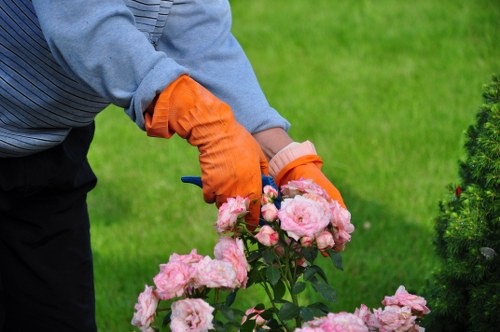 Our local disposal strategy uses a mix of civic amenity sites, council transfer stations and licensed transfer facilities. We routinely make use of nearby household waste recycling centres and transfer depots operated by the borough and neighbouring authorities, ensuring waste flows are legal, transparent and traceable. Where possible we consolidate loads to reduce mileage and choose facilities that process green waste into compost or energy-from-waste schemes that meet our low-carbon principles.
 Collaboration is central to a successful sustainable rubbish gardening area. We have established partnerships with charities and social enterprises that accept reusable garden items — pots, tools in good condition, planters and reclaimed timber. These relationships help divert usable goods from waste streams to community projects and local reuse shops, which reduces demand for new materials and supports local causes.
Low-carbon fleet and transport choices
Our fleet strategy is built around low-emission vans and logistical planning that minimises fuel use and tailpipe pollution. We deploy electric vans for short urban runs and efficient Euro-6 hybrid or low-emission diesel vehicles for heavier, longer transfers. Route optimisation software and load consolidation are standard practice, and we prioritise site visits that allow multiple works to be completed on a single circular route to further cut emissions.We also make strong use of reusable containment like wheeled bins and bulk sacks to avoid disposable bags. By using standardised containers we reduce litter risk, speed up sorting, and ensure that recyclables remain clean and dry — improving their value at the transfer station and reducing contamination-related rejection.
Working with borough waste schemes
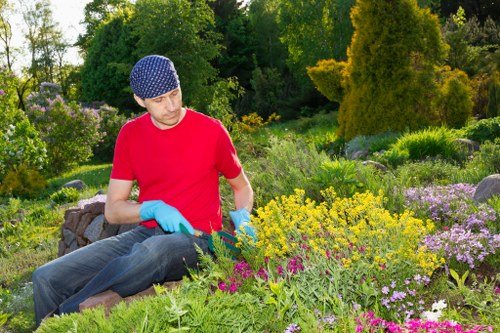
The London boroughs’ approach to waste separation informs much of our site-level practice: dry recycling (paper, card, cans and plastics), food waste collections, and garden waste streams are commonly separated by residents and councils. We mirror these divisions on-site and educate clients about the benefits of separate collections. For example, garden clippings and woody material are kept apart from food waste and household recyclables so each stream can be handled by the appropriate downstream processor.Our on-site sorting protocols include clear labelling, color-coded bins and brief training for our teams so that contamination rates stay low. Where contamination occurs we log the incident, investigate the cause and apply corrective measures — whether that’s additional signage, client guidance or changing the containment method. These small actions collectively raise our recycling yield and help meet our recycling percentage target.
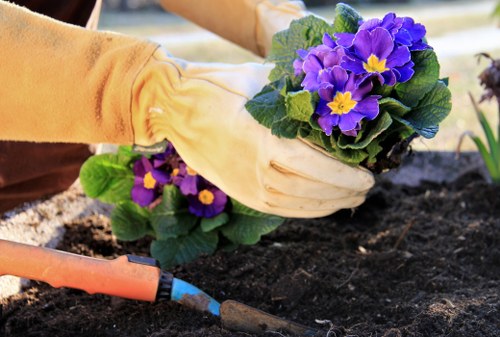 We maintain a directory of approved transfer stations and reprocessing centres, preferring partners that transparently report outputs (compost quality, recycled timber recovery rates, and energy recovery efficiencies). This allows us to choose routes that prioritise closed-loop recycling where garden waste becomes compost, and plastics are recovered for remanufacture.
Beyond operational tweaks, we invest in community engagement. We run periodic plant-swap events and collaborate with local charities to redistribute surplus plants, pots and soil. These charity partnerships not only reduce waste, they also support local green spaces and community allotments — a tangible example of sustainability delivering social as well as environmental value.
Financially, diverting material from landfill reduces disposal costs and can create revenue streams through compost sales or reclaimed material reuse. Environmentally, the carbon savings from minimised haulage, low-carbon vans and increased recycling form an essential part of our sustainability reporting and help clients meet their green procurement requirements.
We publish progress toward our goals with transparency: annual summaries show recycling rates, percentage of material reused or donated through charity partners, and fleet emissions reductions. The combination of an eco-friendly waste disposal area, a carefully managed sustainable rubbish gardening area, and a low-carbon logistics model is how Garden Maintenance Hayes delivers greener, smarter landscaping.
To reduce contamination and improve recycling yields we advise on simple site-level measures: clear separation of organic and inorganic fractions, avoidance of mixed waste sacks, and prioritising reusable containers. These practical steps align with borough recycling schemes and make our operational goal — a minimum 70% recycling/diversion rate — achievable and verifiable.
We are committed to continuous improvement: trialling new electric vehicles as range and charging infrastructure improve, exploring local anaerobic digestion outlets for food-rich garden waste, and expanding charity partnerships to increase reuse of whole items. This sustained focus ensures that our sustainable rubbish gardening area remains efficient, responsible and community-minded.
Garden Maintenance Hayes aims to be a local leader in sustainable landscaping, combining targets, partnerships, and low-carbon logistics to transform how garden waste is handled across the boroughs we serve. Our model is pragmatic, transparent and designed to scale as new recycling technologies and borough policies evolve.